




america's flag


  • Changes In 2026 Insurance Regulations

    The insurance industry will see significant changes in regulations starting in 2026. Lawmakers and regulators aim to modernize the sector to fit new economic realities and technological advancements. These updates affect both consumers and providers in many important ways. Understanding what is changing will help everyone prepare for the future. The following article will break down the most important aspects of the new regulations and explain what they mean for different groups.

    Key Policy Shifts in the 2026 Insurance Regulations

    Lawmakers have introduced several vital changes as part of the 2026 insurance regulations. One of the most notable shifts involves the requirements for digital record-keeping and customer privacy. Insurers must now use stronger encryption to protect client information. Another key update addresses claim processing times, requiring companies to resolve claims faster to better serve policyholders. There is also a new emphasis on transparency, with providers required to disclose policy details in clearer language.

    Adjustments to premium calculations represent another major policy shift. Insurers can no longer use certain personal data points, such as credit scores or zip codes, in determining rates. This aims to ensure a fairer pricing system for all customers. The regulations also mandate annual reviews of coverage limits to make sure policies reflect current market values and risks. These changes are expected to create a more level playing field for consumers.

    Finally, new requirements for environmental and social responsibility are coming into effect. Insurance companies must now assess and report on their investments’ sustainability impacts. Providers are encouraged to offer more products that support green initiatives, such as coverage for renewable energy projects. With these additions, regulators hope to push the industry toward more ethical and forward-thinking practices.

    How the New Rules Impact Policyholders and Providers

    Policyholders will notice several improvements as a result of the new regulations. Faster claim resolutions mean that customers will have less waiting time when they need support the most. The requirement for plain language in policy documents makes it easier for clients to understand what is covered and what is not. More transparent pricing models also help customers compare options and make informed choices when selecting an insurance plan. These updates are designed to put policyholders in a more empowered position.

    On the provider side, companies face a period of adjustment as they implement new compliance measures. Upgrading digital security systems and training employees on privacy protocols will require both time and investment. However, these changes could also lead to higher customer trust and satisfaction in the long run. Insurers who adapt quickly may find new opportunities in emerging markets, especially those related to environmental and social responsibility. The updated rules encourage innovation and better service delivery across the industry.

    Both groups will benefit from the annual policy reviews and fairer premium calculations. Policyholders get coverage that reflects their actual needs, while providers gain more accurate risk assessments. The emphasis on sustainability will also create new product lines, giving customers more choices and encouraging companies to diversify. As a result, the entire insurance ecosystem evolves to become more responsive and responsible.

    Preparing for the Transition to Updated Insurance Laws

    Preparing for the 2026 regulation changes requires action from both consumers and providers. Policyholders should take time to review their coverage, ask questions, and seek clarification on any policy updates. Staying informed about what the new rules mean ensures there are no surprises when claims are filed or premiums are adjusted. Customers can also look for insurers who are already meeting or exceeding the new compliance standards.

    Insurance providers need to update their systems and processes to align with the revised regulations. Investing in staff training and technology upgrades will help companies stay compliant and competitive. Providers should communicate with clients about the changes, offering guidance on how the updates will affect their policies. Clear communication builds trust and helps maintain long-term relationships with clients.

    Both parties can benefit from working with industry experts and legal advisors during the transition. Staying proactive and prepared will reduce risks and make the process smoother for everyone involved. As the deadline approaches, regular check-ins and open discussions between policyholders and providers can ensure a seamless shift. Ultimately, readiness and cooperation are key to navigating the new insurance landscape effectively.

    The 2026 insurance regulation changes mark a significant turning point for the industry. New rules promote fairness, transparency, and responsibility, benefiting both policyholders and providers. Enhanced digital security and faster claims processing improve the customer experience. Providers are encouraged to innovate and focus on sustainability, opening doors to new products and markets. Preparing for the new regulations will require effort from everyone involved. Policyholders should stay informed and choose providers who prioritize compliance and communication. Companies must modernize their systems and provide support to clients during the transition. The move toward clearer pricing and coverage reviews creates a more balanced and equitable system. Overall, these updates lay the groundwork for a stronger, more resilient insurance sector. By working together, consumers and providers can ensure a successful transition and enjoy the benefits of a modernized insurance landscape.

  • Donald Trump in the Oval Office

    Trump’s White House Policies and the Future of Insurance Industry

    The insurance industry stands at a crossroads, shaped heavily by policies from past administrations. Among the most influential were those made during Donald Trump’s tenure in the White House. As the industry looks ahead over the next five to ten years, understanding Trump’s decisions and their ripple effects is vital. His administration emphasized deregulation, changes in healthcare, and significant tax reforms. Each of these policy areas left a mark that will not fade quickly. Insurers now face new challenges and opportunities as a result. Policy shifts have influenced everything from regulatory frameworks to consumer protections. The journey forward requires careful analysis of what has changed and what might come next. By examining these key areas, the insurance industry can better prepare for the future. Adapting to the evolving landscape is essential for long-term growth and stability.

    Examining Trump’s Key White House Policy Decisions

    Donald Trump’s presidency focused on reducing federal oversight in various sectors, including the insurance industry. One major policy decision was the rollback of several financial regulations. Trump aimed to stimulate business growth by making it easier for companies to operate. The insurance industry benefited from relaxed reporting requirements and greater operational flexibility. Changes also reached into healthcare, with efforts to undermine the Affordable Care Act. The administration promoted the use of short-term health plans and sought to increase competition in the health insurance market. These moves received both praise and criticism from industry stakeholders. Supporters argued that less regulation spurred innovation. Critics, however, warned of risks to consumer protections and market stability.

    Policy decisions from the Trump White House also included efforts to empower states. Federal agencies allowed state governments to have more control over insurance regulations. States like Florida could now tailor policies through partners like Florida Insurance Quotes to fit local markets more closely. This shift often created a patchwork of rules across the country. Some states embraced the freedom and fostered new insurance products. Others maintained stricter control to protect consumers. The overall effect was a landscape with more diversity in insurance offerings and pricing. Companies found new opportunities, but also had to navigate greater complexity. In the long term, the consequences of these decisions continue to shape industry strategies.

    Another area of focus was on streamlining approval processes for insurance products. The administration argued that faster approvals would lead to better, more affordable coverage for consumers. Many insurers welcomed these changes, citing reduced costs and faster market entry. However, there were also concerns. Quicker approvals sometimes meant less oversight or fewer consumer safeguards. The balance between speed and safety became a central challenge. These policy decisions, ambitious in scope, set the stage for ongoing debates in the industry. The legacy of Trump’s approach continues to influence how products are developed and regulated today.

    Regulatory Changes and Their Impact on Insurers

    The Trump administration prioritized cutting regulations across the board. For insurance companies, this meant lower compliance costs and less bureaucratic red tape. Many executives welcomed the changes, expecting improved profitability and greater efficiency. Companies could introduce new offerings more quickly and adapt to shifting market demands. However, fewer regulations also brought potential risks. Reduced oversight sometimes exposed insurers to legal challenges or financial instability. Some insurers struggled with uncertainty about future rules, especially as political winds shifted.

    Smaller insurers found some of the regulatory changes more challenging. Larger companies typically have teams dedicated to compliance and legal matters. Smaller firms often lack these resources, making sudden changes more difficult to manage. These insurers faced tough choices about entering new markets or expanding their product lines. The regulatory environment became more unpredictable, causing hesitation for some. Meanwhile, well-resourced companies took advantage of the looser structure, further consolidating their market positions. The uneven impact of regulatory changes continues to affect industry competition.

    Consumer groups voiced concerns over the long-term implications of deregulation. Less stringent rules sometimes resulted in fewer protections for policyholders. Some feared that insurers might cut corners on coverage or claims processing. The industry responded by emphasizing customer service and transparency to maintain trust. Insurers adapted by investing in technology to ensure compliance and improve efficiency. As the regulatory environment remains in flux, the insurance sector must continue to strike a balance between profitability and responsibility. Ongoing changes will likely lead to further innovation but also new challenges to consumer trust and market stability.

    Shifts in Healthcare Laws and Insurance Markets

    Trump’s presidency brought significant changes to healthcare laws that directly affected the insurance industry. The administration made several attempts to repeal or weaken the Affordable Care Act. While a full repeal did not occur, Congress rolled back key provisions. The removal of the individual mandate, for example, reduced the number of people required to have insurance. This change resulted in a decrease in the number of healthy individuals in the insurance pool, which in turn increased costs for the remaining policyholders. Many insurers adjusted their offerings or exited specific markets as a result.

    The expansion of short-term and association health plans marked another critical shift. These plans often cost less but provide limited coverage compared to standard policies. Some consumers benefited from cheaper premiums, but others faced significant out-of-pocket expenses when medical needs arose. Insurers enjoyed new market opportunities but also encountered more regulatory scrutiny at the state level. The changes created a more fragmented market with greater variability in coverage quality and costs. Insurers needed to manage risk selection and pricing carefully.

    Healthcare policy uncertainty made long-term planning difficult for insurers. Many adopted more conservative strategies to safeguard against sudden regulatory shifts. As a result, innovation sometimes slowed, with companies hesitant to invest in new products or technologies. The ongoing debate over public versus private insurance continues to shape the industry landscape. Insurers recognize the need to remain flexible and responsive as healthcare laws evolve. The next decade will likely bring further shifts, requiring companies to adapt quickly and strategically.

    Tax Reforms and Economic Ripple Effects

    Trump’s sweeping tax reforms had a significant impact on the financial health of the insurance industry. The administration lowered the corporate tax rate, resulting in higher after-tax profits for insurers. Companies reinvested some of these gains into technology, product development, and expansion. The additional capital also enabled more competitive pricing and enhanced customer service. However, the reforms also included limitations on the deductibility of certain expenses. Insurers had to adjust their accounting practices and long-term financial planning.

    The economic ripple effects of tax reforms extended beyond immediate financial gains. Increased investment by insurers contributed to job growth and broader economic activity. Some companies passed savings on to policyholders through lower premiums or enhanced benefits. Others used the opportunity to pursue mergers and acquisitions, changing the competitive landscape. The increased focus on financial efficiency led to both innovation and consolidation within the industry. Consumers often saw more choices, but sometimes faced greater complexity in navigating options.

    Despite the benefits, some challenges emerged in the years following tax reform. Market volatility and changing interest rates influenced insurers’ investment returns. Companies had to adapt to new economic conditions, sometimes by adjusting their strategies or reevaluating their product lines. The long-term impact of Trump’s tax policies will continue to unfold in the years to come. Insurers must remain vigilant to changing economic signals and regulatory adjustments. The ability to anticipate and adapt will define industry leaders in the future.

    Preparing for the Next Decade in the Insurance Industry

    The next decade promises both uncertainty and opportunity for insurance companies. Key policy changes introduced during the Trump era will continue to shape industry strategies. Adapting to a less regulated environment requires strong risk management and innovation. Companies must strike a balance between efficiency and a focus on customer needs and regulatory compliance. Investment in digital technology and data analytics will be crucial for staying competitive. Flexibility and responsiveness to evolving laws will enable insurers to navigate uncertain times effectively.

    Building trust with consumers remains a top priority. Transparency and clear communication about coverage options and costs can help companies stand out. As markets become increasingly fragmented, insurers must tailor their products more closely to meet customer preferences. Partnerships with technology firms and other financial institutions may open new avenues for growth. The ability to quickly assess and respond to market shifts will set successful firms apart from their competitors.

    Long-term success also depends on industry-wide collaboration and advocacy. Insurers must engage with policymakers to shape future regulations and address emerging risks. The focus should remain on ensuring stability and sustainability in the sector. As demographic and economic trends shift, new insurance needs will arise. Companies that anticipate these changes will lead the way. With thoughtful planning and an eye on evolving policy trends, the insurance industry can thrive in a post-Trump landscape.

    Conclusion

    Trump’s policies have set the stage for significant changes in the insurance industry over the next five to ten years. The effects of deregulation, healthcare law adjustments, and tax reforms will continue to have a lasting impact on the sector for the foreseeable future. Insurers must navigate both the risks and rewards of a more flexible yet less predictable regulatory environment. Adaptation will remain crucial as companies seek ways to innovate and stay ahead of their competitors. Building consumer trust while navigating shifting rules will become even more critical in the coming years. Strategic investments in technology and partnerships can create new growth opportunities. Active engagement with regulators and policymakers will help shape a balanced path forward. The evolution of insurance products and services must keep pace with changing demographics and economic realities. Success will come to those who remain agile and proactive. Ultimately, the legacy of Trump’s White House policies will be measured by how well the industry adapts and thrives in a rapidly changing world.


  • Understanding Why No Fault Car Insurance Costs More Than Others

    Many drivers wonder why no-fault car insurance often comes with a higher price tag than other types of auto coverage. At first glance, the idea of simplifying accident claims and getting paid quickly seems appealing. However, convenience and speed come at a price, and several factors contribute to the increased costs. Understanding the unique features of no-fault insurance, including its influence on medical claims, state regulations, and how it compares to traditional insurance, can help drivers make informed decisions about their coverage. Let us explore the primary reasons behind the higher premiums for no-fault car insurance.

    What Makes No-Fault Car Insurance Unique and Costly

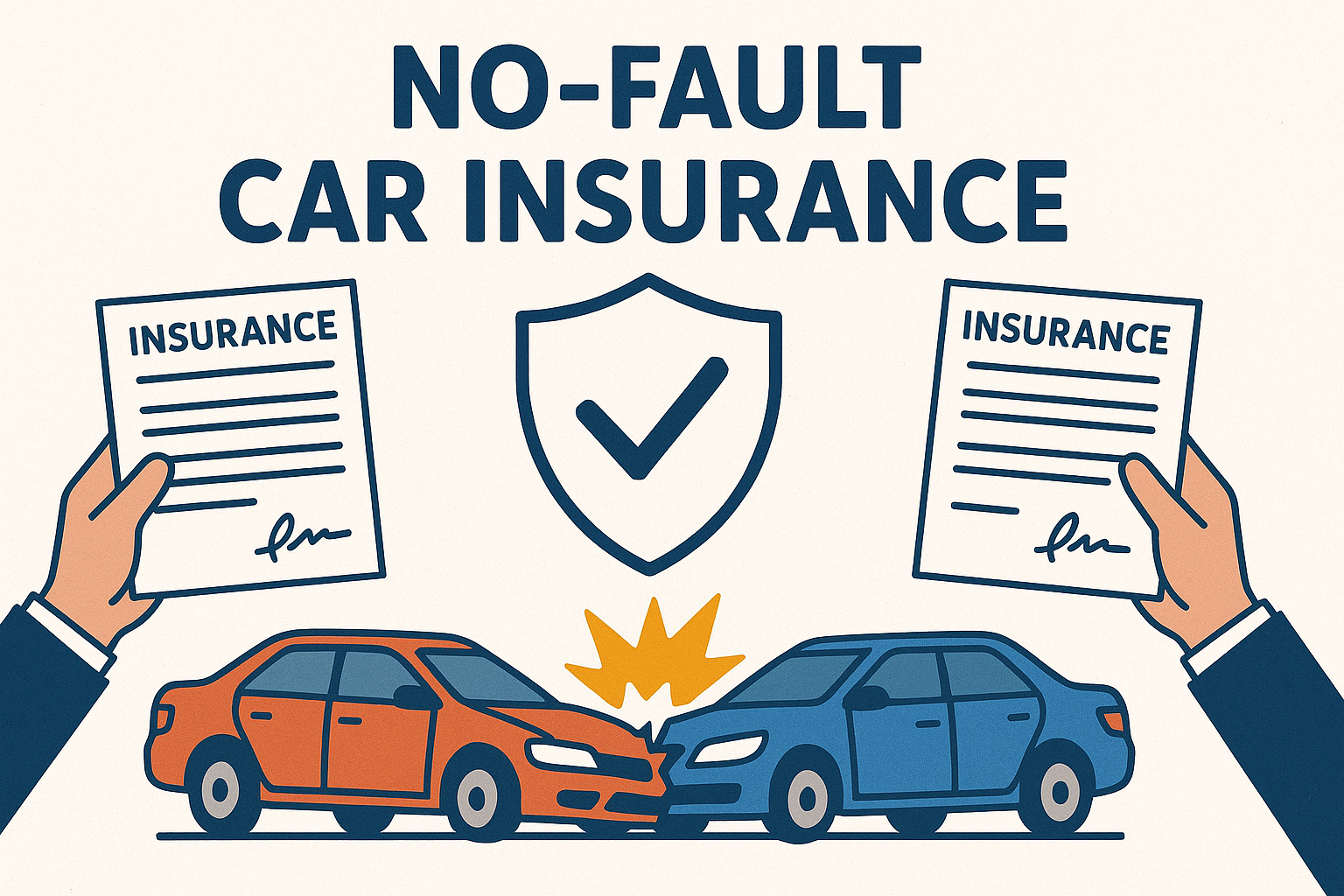
    No-fault car insurance stands apart from traditional policies because it covers your injuries and damages, regardless of who caused the accident. In a no-fault system, each driver files a claim with their insurer after a collision. This process removes the need to prove fault before receiving compensation. Quick payouts reduce delays for medical bills or car repairs, which many drivers find helpful. However, insurance companies must prepare to cover claims in far more situations, not just when their policyholder is at fault. This increased risk means that insurers need to collect higher premiums from everyone. The unique nature of immediate and guaranteed payouts makes no-fault insurance more expensive for most people.

    Extra administrative work also adds to the cost. Insurers must handle more paperwork and process more claims because every accident leads to multiple claims from each party’s insurance company. There is also a greater potential for fraud, as people can submit claims without undergoing lengthy investigations. Insurers often pass on these higher operating costs to their customers through increased premiums. The efficiencies in claim payouts, while helpful for consumers, require extra resources behind the scenes. As a result, no-fault insurance stands out as both unique and more costly than other coverage options.

    Additionally, no-fault systems often include broader benefits. These can cover not only car repairs but also medical expenses, lost wages, and even rehabilitation. Such comprehensive coverage costs more to provide. In contrast, traditional insurance policies may only pay for damages if you are not at fault, and may not offer such wide-ranging benefits. These expanded responsibilities for the insurer naturally result in higher prices for policyholders. The combination of unique features and added benefits makes no-fault car insurance more expensive.

    How Medical Claims Drive Up No-Fault Policy Prices

    Medical claims play a central role in the high cost of no-fault car insurance. In a no-fault system, each insurer pays for its policyholder’s medical expenses after an accident, regardless of who caused it. This results in a large number of people filing medical claims following every accident. Insurance companies must prepare themselves to cover these costs promptly, often without the need to investigate who was at fault. Quick access to medical payments benefits drivers, but it also raises the insurer’s financial risk.

    The frequency and size of medical claims can quickly add up. Medical treatments can be costly, especially after car accidents involving injuries. Insurers may see claims for hospital stays, surgeries, physical therapy, and ongoing care. Because no-fault insurance provides guaranteed coverage for these expenses, insurers collect higher premiums to offset the risk. If medical care costs rise in a region, the price of no-fault car insurance often increases along with them.

    Fraud is another factor that drives up costs in no-fault systems. Some people may exaggerate their injuries or seek unnecessary treatments, knowing that insurers tend to pay out quickly. Insurers spend more money on fraud prevention and claim verification in response. These measures increase operational costs, which are ultimately reflected in policy prices. The combination of frequent medical claims, high treatment costs, and fraud risks puts upward pressure on no-fault insurance premiums.

    State Regulations and Their Impact on Insurance Costs

    Each state sets its own rules for no-fault car insurance, and these laws significantly impact the amount drivers pay for coverage. Some states require higher minimum coverage amounts, which means insurers must pay more for each claim. Others set strict deadlines for claims processing or limit the amount of investigation that insurers can conduct for each case. States with more generous benefits often see higher insurance premiums as a result.

    Regulations also determine what types of losses carriers must cover. In some places, no-fault insurance must cover lost income, household assistance, or even funeral expenses. These additional requirements mean that insurers must collect even more money from policyholders. States with fewer requirements or lower mandatory coverage might see lower premiums, but drivers get less protection. The level of mandated benefits has a direct impact on what drivers ultimately pay for coverage.

    State laws can also influence the amount of fraud or misuse in the system. Areas with weaker oversight may experience a higher incidence of fraudulent claims, thereby further increasing costs. Insurers often raise prices to protect against these added risks. Additionally, changes in state regulations can cause rates to fluctuate from year to year. State-by-state differences highlight why no-fault car insurance can cost significantly more in some places than in others.

    Comparing No-Fault and Traditional Insurance Premiums

    Traditional car insurance operates differently, which affects premium costs. In a conventional system, the insurer of the person at fault pays for the other party’s injuries and damages. Claims require investigations to determine who caused the accident, which can slow down the process. While this might be frustrating for drivers waiting for compensation, it means insurers only pay when their customer is at fault. This system results in fewer claims for each insurer to pay, which can lead to lower premiums for most drivers. According to this article, no-fault insurance spreads risk more evenly among all policyholders. Everyone who buys a policy helps cover the cost of every accident, not just those they cause. This shared responsibility leads to higher prices, particularly since each accident generates additional claims for every insurer involved. Insurers must maintain larger financial reserves to meet these obligations, which increases administrative and premium costs for everyone.

    Policyholders should weigh the pros and cons of both systems to make an informed decision. No-fault insurance offers speed and certainty, but at a higher price. Traditional insurance may be slower, but it is usually less expensive in states where it is provided. Drivers should consider their needs, preferences, and local regulations before selecting a policy. A careful comparison of premium costs and benefits can help find the best fit for each person’s situation.

    Conclusion

    No-fault car insurance costs more for several clear reasons. The system’s unique structure requires insurers to pay out claims quickly and without lengthy investigations. This aspect leads to more frequent and sometimes larger medical claims, which drive up costs. State regulations can also make a significant difference, with generous benefits and higher required coverage leading to increased premiums. Insurers must allocate additional resources to process claims, combat fraud, and prepare for the financial implications of frequent payouts. Comparing no-fault insurance to traditional policies shows that the convenience and comprehensive coverage come at a price. While some drivers appreciate the speed and simplicity of this coverage, others may prefer the lower premiums of traditional coverage. Understanding the key factors behind higher costs can help you make smarter choices about your insurance. Carefully reviewing your needs, your state’s laws, and the available options can help ensure you get the right coverage for your situation. Drivers should remember that while no-fault coverage may be more expensive, it can also offer peace of mind and financial protection in times of need.


Moving Forward with Knowledge